
Building a scalable digital platform for a growing tribal enterprise
Creating a flexible foundation for expansion across hospitality, gaming, and community services
With a diverse and growing portfolio of enterprises, including gaming, hospitality, and community services, the southern California-based tribal nation had a clear vision for continued expansion.
Its digital presence, however, had been built over time across multiple independent websites. While each served its role, together they created inconsistencies in user experience and increased administrative overhead, making it harder to move quickly as new opportunities emerged.
Looking ahead, they needed a more cohesive digital foundation that could grow with them and make it easier for teams to manage and launch new sites.
Services provided
- Platform architecture and strategy
- UX and visual design
- WordPress Multisite implementation
- Custom feature development
- Content modeling and templating
- Admin enablement and governance setup
The challenge
To support this shift toward a centralized multisite system, the organization needed a way to:
- Launch new websites quickly without starting from scratch each time
- Maintain a consistent brand while allowing each property to feel distinct
- Allow internal teams to manage and launch sites without heavy technical support
- Support specialized functionality such as real-time fuel pricing
From individual sites to a shared platform
Creed partnered closely with the organization to rethink how its digital ecosystem was structured.
Instead of continuing with a site-by-site approach, the team shifted to a platform model, designing a shared system that allows new sites to be launched quickly, while maintaining consistency and giving each property the flexibility to operate independently.
The result was a WordPress Multisite architecture that supports scalability and simplifies governance. This included:
- Centralized management of core updates, security, and infrastructure
- Shared components that maintain consistency and reduce duplication
- The ability to launch new sites quickly without rebuilding from scratch
- Greater independence for internal teams to manage and launch sites
- Reduced hosting fees and maintenance costs
Applying the platform across the organization
Within this new framework, Creed redesigned and rebuilt several core websites across the organization’s portfolio, including:
- Two casino property sites focused on guest experience, promotions, and amenities
- A tribal government site designed for clarity, transparency, and accessibility
- A service center site featuring real-time fuel pricing
Each site draws from shared components and templates, creating consistency across the ecosystem while still supporting the unique needs of each business.
Impact
- New sites launched in days instead of months
- Greater confidence and autonomy for internal teams
- Reduced technical overhead and maintenance complexity
- A scalable foundation ready to support continued expansion
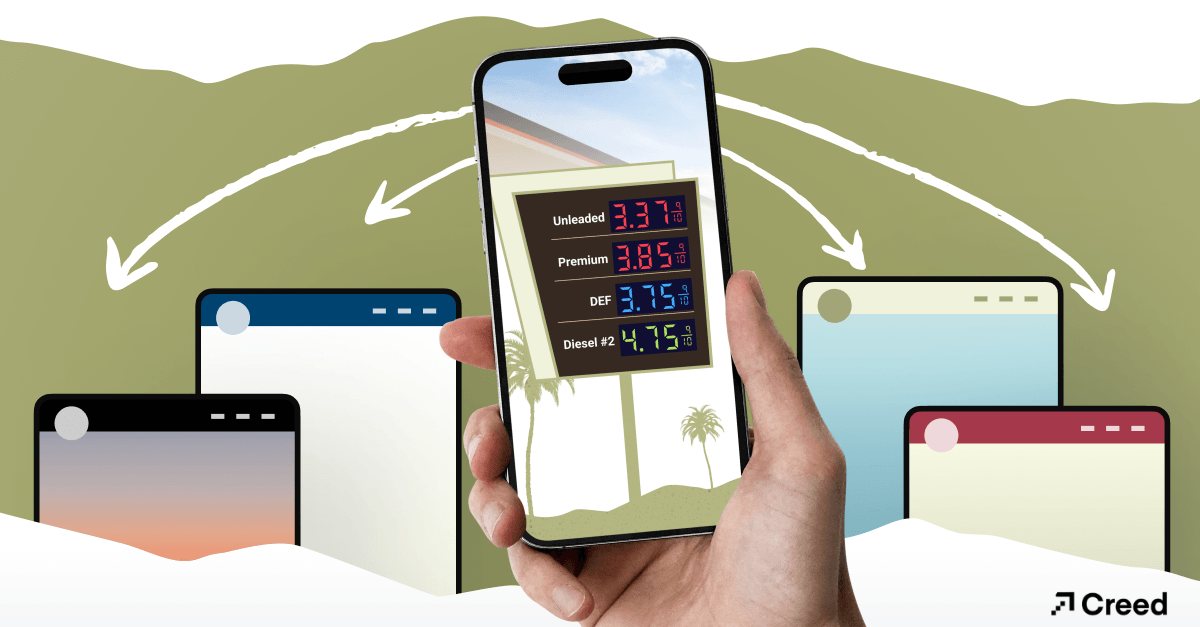
To support more specialized needs, Creed also developed custom features tailored to the organization’s operations. This included a dynamic pricing system for the service center that allows fuel prices to be updated in real time, along with flexible content models that support a wide range of business types within a single platform.
The system was also designed with internal teams in mind. Teams can confidently launch and manage new sites, apply approved templates, and update content without relying on developers. Role-based permissions provide the right level of control across departments, balancing flexibility with governance.
This approach gives teams more confidence in the day to day and creates a more durable foundation for future growth.
If your organization is facing similar challenges, we’d be happy to talk through what that could look like.